
Rehabilitation Research Boot Camp: From Evidence to Clinical Practice
Presented by Kenneth E. Learman
This course explores the critical challenges of bridging the gap between clinical research and everyday practice to improve patient outcomes. While research often provides data based on group averages, clinicians frequently struggle to apply these broad findings to the unique, complex needs of the individual patient sitting in front of them. This program addresses this disconnect by examining the nuances of translational research, the potential pitfalls of common statistical metrics, and the effective interpretation of clinical practice guidelines (CPGs). Participants will learn to navigate institutional barriers, recognize cognitive biases such as “bandwagoning,“ and understand the shifting landscape of research interests that shape modern healthcare. Designed for physical therapists and other rehabilitation professionals, the curriculum is applicable across a variety of settings, from outpatient clinics to large hospital systems. By the end of this course, providers will possess a more sophisticated framework for integrating the best available evidence with their own clinical expertise and patient preferences.
Learning Outcomes
- Differentiate the clinical implications of average treatment effects compared with an individual's response to care
- Contrast statistical parameters and estimates to identify common misunderstandings of their mean
- Identify common “do's and don‘ts“ of Clinical Practice Guidelines (CPGs) and their influence on clinical practice
- Distinguish the differences between research findings and the day-to-day clinical experience
- Clarify the relationship between implementing new research findings and adopting treatment fad
- Recognize institutional barriers to implementing research findings through clinical process changes
- Outline key concepts from this course regarding the application of research into clinical practice
Meet your instructor

Kenneth E. Learman
Kenneth E. Learman is a professor of physical therapy at Youngstown State University, where he is responsible for teaching manual therapy, patient examination and clinical reasoning, and research design and data analysis in the curriculum. Ken is also affiliated faculty at Duke University Division of Physical Therapy. Ken has…
Chapters & learning objectives

1. Understanding Average Treatment Effects vs. Individualized Treatment Effects
This chapter examines the fundamental difference between the aggregate data reported in research and the unique responses of individual patients. It is essential for clinicians to understand that “average” effects may not mathematically apply to any single person, which provides a basis for a more precise, patient-centered approach to medicine.

2. Effect Sizes, p Values, and Other Misunderstood Metric Estimates
This section clarifies the often confusing statistical parameters used to assess the magnitude and significance of research findings. By identifying common misconceptions regarding p values and confidence intervals, clinicians can more accurately judge the clinical relevance of new studies.

3. How to Appropriately Interpret Clinical Practice Guidelines
This chapter provides a framework for using clinical practice guidelines (CPGs) as flexible references rather than rigid rules. Understanding the strengths and limitations of CPGs allows practitioners to reduce ineffective care while still accounting for the specific contextual factors of their patients.

4. Generalizability and Transferability of Findings
This chapter explores the various barriers—including therapist, patient, and institutional factors—that prevent the adoption of evidence-based strategies. Identifying these challenges is the first step toward creating a multifactorial culture that successfully translates knowledge into clinical action.

5. Translation Mistakes, “Bandwagoning,” and the Swinging Pendulum of Research Interests
This section examines the risks of early research adoption and the cognitive biases that lead to the pursuit of treatment fads. It highlights how funding trends and professional agendas shape what is studied, urging clinicians to remain critical of the evidence as the profession evolves.

6. Course Summary and Discussion
The final chapter synthesizes the key clinical pearls from the course to reinforce a nuanced understanding of research application. This summary helps clinicians integrate these diverse concepts into a cohesive strategy for improving their daily practice through informed evidence use.
More courses in this series

Rehabilitation Research Boot Camp: A Renewed Look at Evidence-Based Practice
Chad E. Cook

Rehabilitation Research Boot Camp: Research Methodology I
Kenneth E. Learman

Rehabilitation Research Boot Camp: Research Methodology II
Chad E. Cook
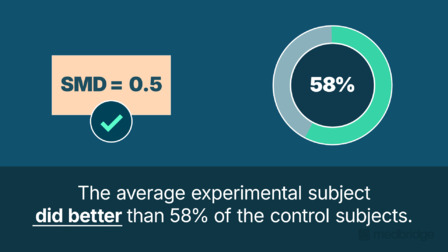
Rehabilitation Research Boot Camp: Statistical Analysis Essentials
Kenneth E. Learman

Rehabilitation Research Boot Camp: Why Critical Appraisal Skills Are Necessary
Chad E. Cook

Rehabilitation Research Boot Camp: From Evidence to Clinical Practice
Kenneth E. Learman
Rehabilitation Research Boot Camp: Navigating Grant Funding
Chad E. Cook

Rehabilitation Research Boot Camp: Publishing Case Reports and Series
Kenneth E. Learman
Frequently asked questions
Everything you need to know about Medbridge courses.
Who creates Medbridge courses?
We work with industry-leaders, top researchers, and consultants to build content roadmaps that are then structured into courses, filmed, and edited by our production team before being launched to our site.
How often does Medbridge release new courses?
New courses are added monthly and are automatically included in your subscription as they launch.
How often does Medbridge update courses?
Medbridge reviews its courses annually for relevance and to assess if content is up to date. Based on these reviews it may be determined that a course is out of date resulting in the course being re-filmed or retired, if the content is no longer needed (e.g. a replacement course already exists, the concepts are no longer best practice, etc.).
How many courses does Medbridge offer?
We have over 3,000 accredited courses and we are continually updating our library with new courses. Check our course library for the most up-to-date count for your discipline.
Are there any additional fees for taking a Medbridge course?
There are no additional fees for taking a Medbridge course, obtaining a course certificate of completion, earning CEUs as a subscriber, or accessing any of the additional tools your subscription may include.
Is there a limit to the number of courses I can take?
There is no limit to the number of courses you can take as a subscriber! As a subscriber to Medbridge, you have unlimited access to over 3,000+ accredited CE courses.
If you are a Premium subscriber, you also have unlimited access to our Patient Engagement Tools such as the Home Exercise Program, Patient Education Library, Orthopedic Exam Tests, and Manual Therapy Techniques. We have over 7,000 exercises and over 650+ videos and handouts of patient education resources with more exercises and patient education added to the library based on subscriber feedback, volume of request and specialities.
What is your refund policy?
You are eligible for a refund provided your request is received within 30 days of your subscription purchase and your account has no activity.