
Strength vs. Skill for Dysphagia (Re)hab: How Do We
Choose? (Live Podcast Recording)
Presented by Sarah Baar and James Curtis
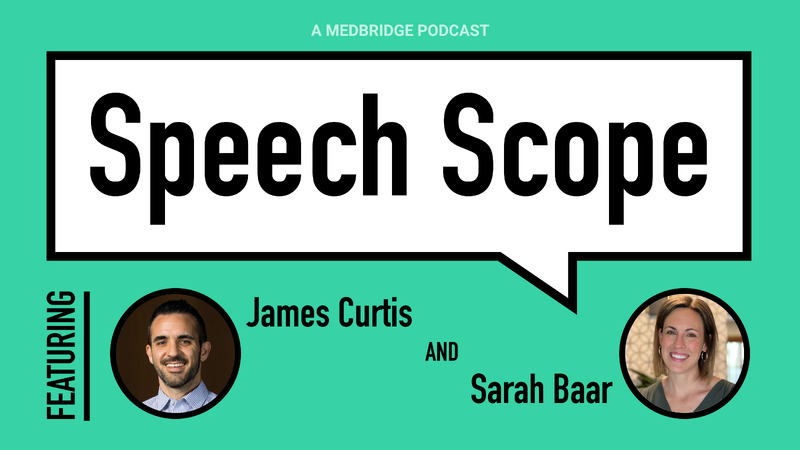
Sarah Baar, instructor for this educational event, receives compensation from Medbridge for this course. No one with the ability to control content has relevant relationship(s) to disclose.
Audio Runtime: 75 Minutes; Learning Assessment Time: 21 Minutes
Dr. James Curtis, PhD, CCC-SLP, BCS-S, Director of the Aerodigestive Innovations Research Lab (AIR), joins host Sarah Baar, MA, CCC-SLP, for an insightful conversation that cuts through the noise of dysphagia rehabilitation. Together, they break down the critical distinctions between strength-based and skill-based therapy protocols and address common clinical challenges in structuring exercise programs. You will discover how to move beyond generic, one-size-fits-all exercise handouts by intentionally integrating the principles of strength training and motor learning into your daily practice. Tune in to elevate your clinical reasoning, optimize your assessment documentation, and walk away with actionable, evidence-based strategies for designing high-impact treatment plans.
Learning Outcomes
- Analyze the evidence around the design and implementation of strength- versus skill-based exercise programs for dysphagia rehabilitation
- Apply practical, evidence-based strategies to actionably address the design and implementation of strength- versus skill-based exercise programs for dysphagia rehabilitation
- Solve patient case scenarios involving dysphagia therapy treatment planning for people of various medical conditions and assessment outcomes
This course is a recording of a previously hosted live podcast event. Polling and question submission features are not available for this recording. Format and structure may differ from those of standard Medbridge courses.
This is an audio-only course. Additional materials are available for download within the course. To receive continuing education credit, complete the course and the accompanying quiz.
Meet your instructors
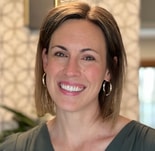
Sarah Baar
Sarah Baar is a speech-language pathologist in Grand Rapids, Michigan. She has had the opportunity to work in many settings across the care continuum, including acute care, acute rehab, home and community, and outpatient therapy, and has been involved in various leadership projects. In 2016, she started the Honeycomb Speech…
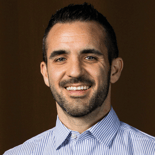
James Curtis
Dr. James Curtis is a clinician-scientist, assistant professor of speech-language pathology, and director of the Aerodigestive Innovations Research Lab (AIR) in New York City. His mission is to improve the health and quality of life of people with voice and swallowing disorders through clinical innovation, multidisciplinary…
Chapters & learning objectives
1. Strength vs. Skill for Dysphagia (Re)hab: How Do We Choose? (Live Podcast Recording)
In this episode, host Sarah Baar connects with dysphagia expert Dr. James Curtis to break down the critical differences between strength- and skill-based exercises so you can confidently move past one-size-fits-all handouts and build precision-focused treatment plans.
More courses in this series

Is the Clock Drawing Test Still Relevant? Then What?
Sarah Baar and Samantha McDaniel

Severe Global Aphasia: Where Do I Start?
Sarah Baar and Treasyri Williams Wood

INCOG 2.0: How to Manage Cognitive Communication and Social Cognition
Sarah Baar and Penny Welch-West

My Aging Client Loses Their Train of Thought in Conversation—What Can I Do?
Sarah Baar and Alyssa Lanzi

How Can SLPs Think More Broadly About Decisions in Dysphagia Management?
Sarah Baar and Tim Stockdale

Is There Reason to Hope With PPA?
Sarah Baar and Lisa Wauters

What Is an SLP’s Role Related to Home Programs for People With Aphasia?
Sarah Baar and Sarah E. Wallace
Working Memory: How Can I Address This in a Meaningful Way?
Sarah Baar and Lauren Schwabish

What Should SLPs Know About Cancer-Related Cognitive Impairment?
Sarah Baar and Patricia Geels

How Can SLPs and ATCs Work Together for Sports Concussion Management?
Sarah Baar and Tabia Pope

How Can We Help Patients With Functional Voice Disorders Find Their Voice Again?
Sarah Baar and Adam T. Lloyd

How Can Respiratory Muscle Training Impact Neurodegenerative Diseases?
Sarah Baar and Brooke Richardson

AI Speech Therapy: What Ethical Considerations Should I Think About?
Sarah Baar and Nina Benway

Return to Work and TBI: How Can SLPs Help?
Sarah Baar and Peter Meulenbroek

Dysarthria and Life Participation: Where Do I Begin?
Sarah Baar and Carolyn Baylor

Palliative or Just Good Care? Where Does SLP Fit In?
Sarah Baar, Marta Kazandjian, and Cynthia X. Pan
What Is Proactive Dysphagia Treatment for Head and Neck Cancer?
Sarah Baar and Brooke McGivern
What’s the Colorado Motor Speech Framework, and How Do I Use It?
Sarah Baar and Allison Hilger
Dysphagia Decisions: What’s In and What’s Out?
Phyllis M. Palmer, Sarah Baar, and Aaron H. Padilla
Anosognosia: What Are Key Clinical Assessment Considerations for SLPs?
Sarah Baar and Allison Mezo
Anosognosia: What Are Key Clinical Treatment Considerations for SLPs?
Sarah Baar and Allison Mezo
Making Sense of Executive Functions: What’s Missing From Our Explanations?
Sarah Baar and Lauren Schwabish
Improving Conversation in Aphasia: What Is “ECoLoGiC-Tx” All About?
Sarah Baar and Marion Leaman
Surviving the ICU: How Can Communication Reduce PICS?
Sarah Baar and Vanessa Abraham
Future-Ready SLPs: How Can Clinicians Embrace AI and Digital Innovation?
Sarah Baar and Rinki Varindani Desai
Facial Nerve Paralysis: How Can Therapists and Surgeons Collaborate?
Sarah Baar, G. Nina Lu, and Emily Wilson
My Client Doesn’t Want to Do Therapy: Where Do I Begin? (Live Podcast Recording)
Sarah Baar and Treasyri Williams Wood
Dysphagia Mythbusting: How Do We Facilitate QoL With Compromise?
Sarah Baar and Amber Heape
Dysphagia Management and Cough Rehab: How Can SLPs Assess and Treat?
Sarah Baar and James Curtis
Beyond 92507: How Can Medical SLPs Prepare for the 2027 Coding Transition?
Sarah Baar and Heather M. Scheer
Voice Banking and Cloning: How Can We Help Clients Maintain Their Identity?
Sarah Baar and Abygail Marx
Strength vs. Skill for Dysphagia (Re)hab: How Do We Choose? (Live Podcast Recording)
Sarah Baar and James Curtis
Frequently asked questions
Everything you need to know about Medbridge courses.
Who creates Medbridge courses?
We work with industry-leaders, top researchers, and consultants to build content roadmaps that are then structured into courses, filmed, and edited by our production team before being launched to our site.
How often does Medbridge release new courses?
New courses are added monthly and are automatically included in your subscription as they launch.
How often does Medbridge update courses?
Medbridge reviews its courses annually for relevance and to assess if content is up to date. Based on these reviews it may be determined that a course is out of date resulting in the course being re-filmed or retired, if the content is no longer needed (e.g. a replacement course already exists, the concepts are no longer best practice, etc.).
How many courses does Medbridge offer?
We have over 3,000 accredited courses and we are continually updating our library with new courses. Check our course library for the most up-to-date count for your discipline.
Are there any additional fees for taking a Medbridge course?
There are no additional fees for taking a Medbridge course, obtaining a course certificate of completion, earning CEUs as a subscriber, or accessing any of the additional tools your subscription may include.
Is there a limit to the number of courses I can take?
There is no limit to the number of courses you can take as a subscriber! As a subscriber to Medbridge, you have unlimited access to over 3,000+ accredited CE courses.
If you are a Premium subscriber, you also have unlimited access to our Patient Engagement Tools such as the Home Exercise Program, Patient Education Library, Orthopedic Exam Tests, and Manual Therapy Techniques. We have over 7,000 exercises and over 650+ videos and handouts of patient education resources with more exercises and patient education added to the library based on subscriber feedback, volume of request and specialities.
What is your refund policy?
You are eligible for a refund provided your request is received within 30 days of your subscription purchase and your account has no activity.