
Cardiac Disease, Surgical Intervention, and Dysphagia Correlations
Presented by Jo Puntil
Jo Puntil is a-full time employee at Intermountain Health and an affiliate instructor for MedBridge. She also receives compensation from MedBridge for this course.
Nonfinancial:
Jo Puntil has no competing nonfinancial interests or relationships with regard to the content presented in this course.
Speech pathologists and acute care rehab clinicians are faced with growing caseloads of patients with cardiac disorders and the sequelae of disease progression. We are asked to see patients in the intensive care or cardiopulmonary unit with acute or chronic cardiac disease. In this course, participants will learn about cardiac anatomy/physiology, diseases, and how these issues can interfere with everyday living, including mobility and eating and drinking safely. Patients face decisions on how to treat their diseases, first empirically and then with possible surgical interventions. Cardiac catheter interventions and surgical interventions will be discussed. Current research regarding why patients may experience post-op swallowing disorders will be covered, as well as how to implement a pre- and post-op swallow screen in your institution. This course will increase your critical thinking skills for assessing and treating patients with adult cardiac disorders.
Meet your instructor
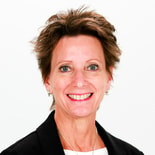
Jo Puntil
Jo Puntil is an ASHA Fellow, past chair of the CFCC, and a board-certified specialist in swallowing and swallowing disorders. She has extensive experience in developing interdisciplinary rehab programs/teams throughout southern California and Utah, specifically in the areas of critical and acute care. Jo has lectured…
Chapters & learning objectives

1. Cardiac Teams/Roles and Heart Function
Speech pathologists and rehab clinicians will have a clear understanding of the anatomy and physiology of the cardiac system and the roles of the people on the cardiac team.

2. Heart Disease and Causes
The participant will understand why people have heart disease and the risks associated with each disease process. Normal and abnormal rates and rhythms will be discussed, as well as what causes those changes in patients.

3. Cardiac Procedures and Surgeries
Participants will gain knowledge of why patients have procedures in the cath lab versus needing more invasive surgical intervention. TAVR, MVR, AVR, and CABG procedures will be discussed. Videos will be provided so the speech pathologist can better understand why patients may have difficulty postoperatively.

4. Swallowing Issues Post CV Surgery, Current Research, and How to Implement a Pre- and Post-op Swallow Screen in Your Institution
This chapter will cover the possible postoperative swallowing issues and what the medical speech pathologist can do to help these patients. A review of current literature and how to implement a swallow screen for all CV surgical patients will be discussed.

5. Questions and Answers
This is the time for speech pathologists to dive deeper into the disease processes of CV patients and their dysphagia correlations.
More courses in this series

Standardizing the Modified Barium Swallow Across a Healthcare System
Angela Menlove and Jo Puntil

Providing Feedback to Support Continuous Improvement and Best Practices
Angela Menlove

Pulmonary-Compromised Patients: Oxygen Delivery and Dysphagia Issues
Jo Puntil

Cardiac Disease, Surgical Intervention, and Dysphagia Correlations
Jo Puntil

Screening and Bedside Swallow Evaluation Across the Continuum of Care
Jo Puntil and Debra Suiter

Exercise-Based Treatments for Dysphagia
Debra Suiter
Frequently asked questions
Everything you need to know about Medbridge courses.
Who creates Medbridge courses?
We work with industry-leaders, top researchers, and consultants to build content roadmaps that are then structured into courses, filmed, and edited by our production team before being launched to our site.
How often does Medbridge release new courses?
New courses are added monthly and are automatically included in your subscription as they launch.
How often does Medbridge update courses?
Medbridge reviews its courses annually for relevance and to assess if content is up to date. Based on these reviews it may be determined that a course is out of date resulting in the course being re-filmed or retired, if the content is no longer needed (e.g. a replacement course already exists, the concepts are no longer best practice, etc.).
How many courses does Medbridge offer?
We have over 3,000 accredited courses and we are continually updating our library with new courses. Check our course library for the most up-to-date count for your discipline.
Are there any additional fees for taking a Medbridge course?
There are no additional fees for taking a Medbridge course, obtaining a course certificate of completion, earning CEUs as a subscriber, or accessing any of the additional tools your subscription may include.
Is there a limit to the number of courses I can take?
There is no limit to the number of courses you can take as a subscriber! As a subscriber to Medbridge, you have unlimited access to over 3,000+ accredited CE courses.
If you are a Premium subscriber, you also have unlimited access to our Patient Engagement Tools such as the Home Exercise Program, Patient Education Library, Orthopedic Exam Tests, and Manual Therapy Techniques. We have over 7,000 exercises and over 650+ videos and handouts of patient education resources with more exercises and patient education added to the library based on subscriber feedback, volume of request and specialities.
What is your refund policy?
You are eligible for a refund provided your request is received within 30 days of your subscription purchase and your account has no activity.